Don't miss our holiday offer - up to 50% OFF!

Crafting Storytelling Terrariums: How Narrative Shapes Miniature Worlds
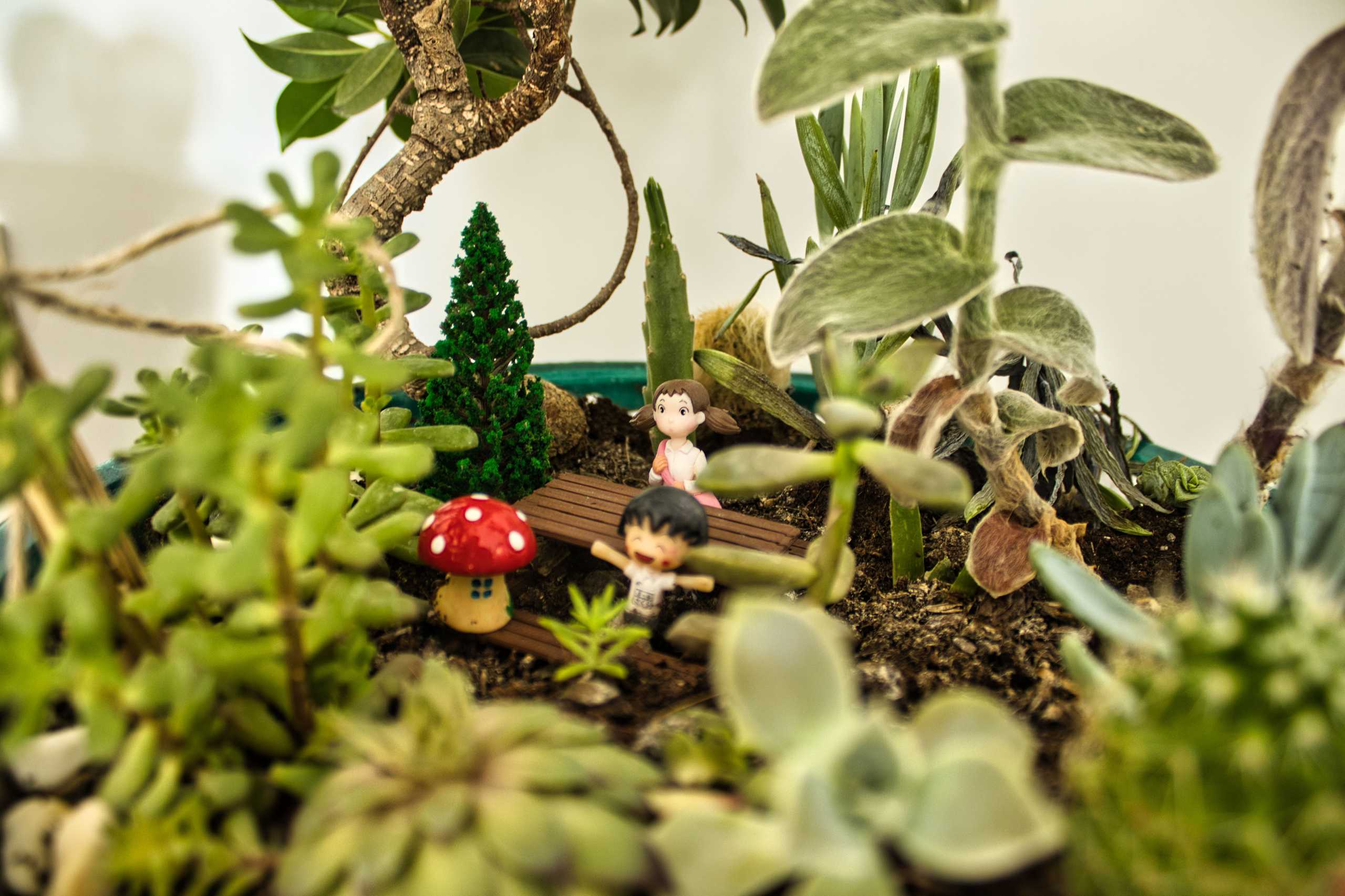
Storytelling in terrarium art allows creators to build more than a balanced composition—it lets them evoke emotion, scene, and meaning. A narrative terrarium feels alive because each element supports a larger idea. This approach turns small glass vessels into expressive landscapes that communicate atmosphere, journey, and intention.
Narrative as a Design Foundation
Every storytelling terrarium begins with a concept. It might reflect a forest after rain, a quiet mountain slope, or an abstract interpretation of natural rhythm.
The narrative guides material choice, plant selection, height distribution, and the arrangement’s emotional pace. This clarity ensures the final piece feels unified and purposeful.
Symbolism in Natural Elements
Natural materials carry symbolic weight:
• moss conveys softness, calmness, and renewal
• stones represent permanence, structure, and grounded energy
• branches introduce rhythm, tension, or movement
When combined thoughtfully, these symbols create layers of meaning that deepen the terrarium’s visual impact.
Building Focus Through Contrast
A strong story needs a focal point. In terrarium design, focus can emerge through contrast—light and shadow, height variation, or texture differences.
Placing a single striking element slightly off-center often adds intrigue, encouraging viewers to explore the surrounding details and discover subtle narrative cues.
Using Space as a Narrative Tool
Empty space shapes meaning as powerfully as materials. A wide, open area may evoke serenity, while a narrow gap between stones suggests mystery or tension.
Space allows the viewer to imagine movement or time within the scene, making the composition feel larger than its physical size.
Micro-Moments and Discoveries
Narrative terrariums often include small details revealed only upon close examination—a tiny moss tuft placed like a stepping stone, a gentle curve of a root hinting at direction, or a textured stone suggesting ancient terrain.
These micro-moments create intimacy, inviting viewers to spend more time with the piece.
Emotional Consistency Through Light
Lighting frames the mood and reinforces the story. Soft illumination may suggest morning calm, while angled shadows create dramatic tension.
Light transforms static elements into expressive components, guiding how the narrative is perceived over time.
Conclusion
Narrative terrarium design transforms miniature landscapes into expressive, meaningful compositions. Through symbolism, contrast, micro-details, and intentional spatial design, creators shape emotional and visual stories that resonate beyond the glass. This storytelling approach elevates terrarium art into a refined, thoughtful medium where nature becomes a language of imagination.