Don't miss our holiday offer - up to 50% OFF!

Creating Atmosphere: How Mood Shapes Terrarium Art
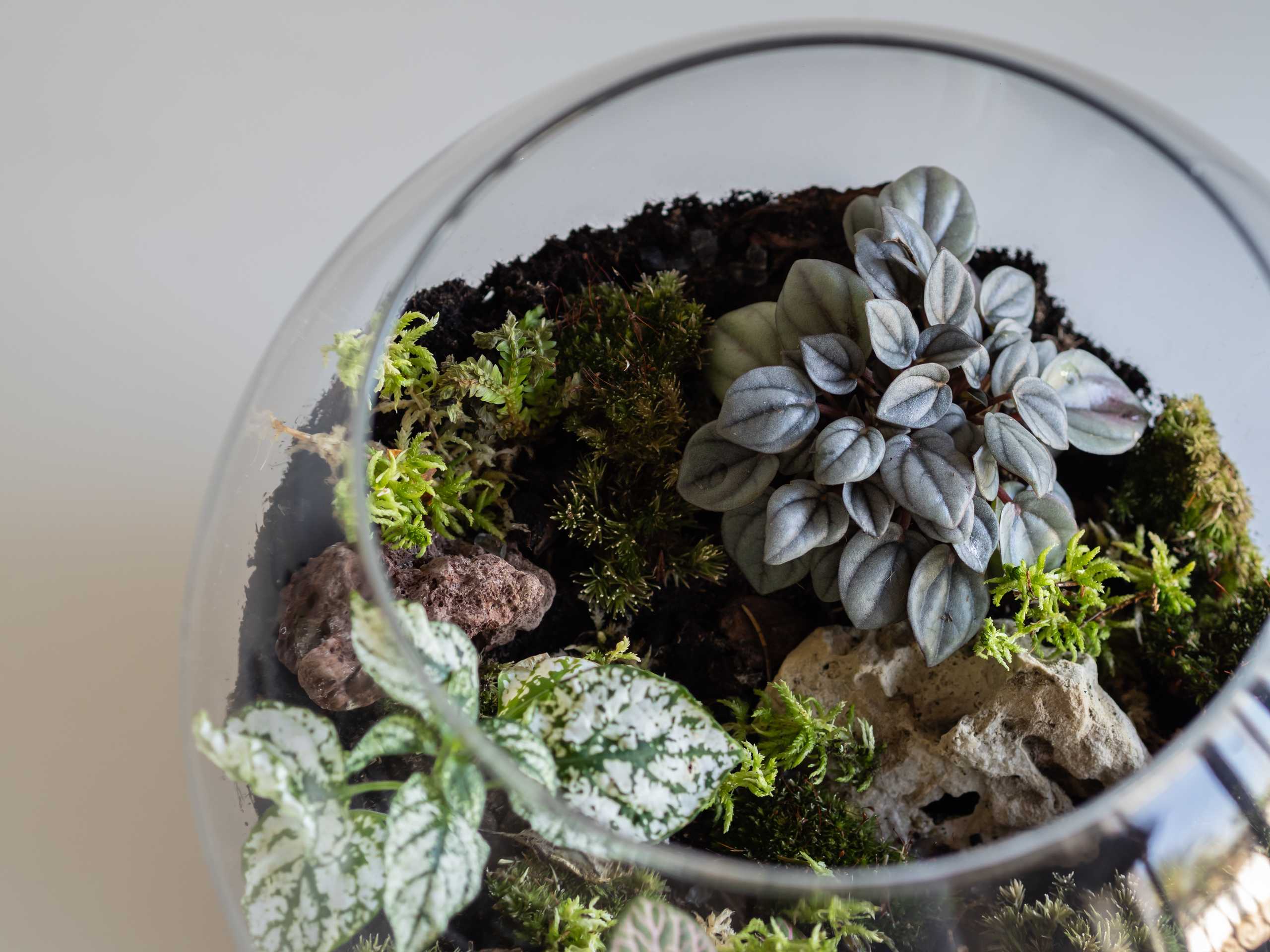
Atmosphere is the invisible essence that defines how a terrarium feels at first glance. Beyond structure and ecology, the mood of a terrarium determines its personality—calm, mysterious, bright, or contemplative. Working with atmosphere allows creators to transform miniature landscapes into emotional, immersive environments that speak through subtle details.
Understanding Emotional Intention
Every artistic terrarium begins with intention. Before placing any material, creators choose the emotional direction of the composition. This intention guides texture selection, plant variety, lighting intensity, and the overall rhythm of the design.
A peaceful terrarium will lean toward soft moss patterns and low height transitions, while a dramatic landscape may rely on sharp rock angles, strong contrasts, and layered shadows.
Visual Elements that Build Mood
To shape atmosphere, creators manipulate several components:
• Texture flow — smooth surfaces evoke calmness, while rough textures add tension
• Color gradients — deep greens create serenity; mixed tones introduce visual complexity
• Verticality — tall structures feel dynamic; low compositions feel stable and still
These elements combine to form an emotional storyline that viewers intuitively interpret without needing explanation.
Balancing Space and Silence
Empty space, or “visual breathing room,” plays an important role in atmospheric design. Strategic gaps between plants or stones help the eye rest and move naturally through the arrangement. Silence inside the composition is as meaningful as detail.
When space is respected, the terrarium feels open and intentional rather than crowded or chaotic.
Micro-Details that Create Immersion
Small details often carry the greatest atmospheric weight. A single curved root, a patch of varied moss, or a carefully placed miniature stone can shift the entire mood. These details create micro-landmarks that draw the viewer closer, inviting them to explore the scene with focused attention.
The Role of Lighting in Emotional Framing
Lighting defines atmosphere more dramatically than any other element. Soft, diffused lighting produces calmness, while angled illumination adds depth and intensity. Even subtle shadows can change the emotional tone by emphasizing contours and altering the scene’s perception.
Conclusion
Atmosphere transforms terrariums from decorative objects into artistic experiences. By shaping mood through texture, detail, space, and light, creators build worlds that feel expressive and alive. Understanding these principles is essential for anyone seeking to craft terrariums with emotional presence and artistic clarity.